EASTING · E-CDS
From extreme Earth
to interstellar habitats
Built on recycled solid-waste composite materials and fused with AI generative design and 3D printing, E-CDS is a dual-track venture: low-carbon infrastructure for Earth’s extreme environments, and a validation system for interstellar construction — commercialising on Earth while iterating toward the stars.
Warp drive, to the stars
A concept film on the warp bubble and spacetime curvature — previewing the interstellar voyage.
Eastern wisdom · Warp-drive power · Interstellar future
As space agencies and SpaceX reach for the stars, and as extreme weather collides with urban growth, our founding conviction is a spatial solution that bridges Earth and space, tradition and future — rooted in Eastern wisdom, winged by frontier technology, so that architecture can withstand Earth and take root among the stars.
Dual-track strategy Earth ↔ Stars
Built on recycled solid-waste composite materials and fused with AI generative design and 3D printing, E-CDS is a dual-track venture: low-carbon infrastructure for Earth’s extreme environments, and a validation system for interstellar construction — commercialising on Earth while iterating toward the stars.
Earth Track · Commercialisation
Off-grid, mobile, prefabricated low-carbon infrastructure built on recycled solid-waste composite materials.
Interstellar Track · Technology Iteration
Lunar-base modules combining in-situ regolith materials with prefabricated 3D printing — testing the stars on Earth.
Resilient on Earth, reaching the stars
Become China’s leader in extreme-environment low-carbon infrastructure — 50,000t solid waste/yr, ≥30% overseas revenue.
Become a core supplier of lunar-base construction technology and commercialise a lunar-base simulation testbed.
Become a global leader in interstellar habitat construction — architecture resilient on Earth and reaching the stars.
From zero to one, phase by phase
Validation & first orders
Complete Stardust pilot production and secure first orders. 50 units/yr pilot capacity, ¥5M revenue, multiple patent filings.
Scale-up & new scenarios
Reach mass production across scenarios and start Star-Core R&D. 500 units/yr, ¥50M revenue, 400t/yr carbon reduction.
Upgrade & global expansion
Validate the Star-Core series and export overseas. ¥200M revenue, ≥30% overseas, leading lunar-base technology.
Four pillars, one closed technology loop
Recycled Composite Materials
AI visual analysis with dynamic formulation for high-performance composite panels.
AI Generative Design
Data-driven, rapid generation of extreme-environment and interstellar designs.
3D-Printed Prefabrication
Integrated printing and modular assembly for rapid component production.
Off-Grid Energy & Resource Loop
Solar / geothermal plus water recycling for fully off-grid operation.
Building ESG Data Governance
A proprietary data model standardises non-standard addresses across asset registers, procurement contracts and energy bills, enabling systematic ESG performance assessment of infrastructure portfolios across environmental management, social responsibility, governance and stakeholder engagement. By collecting, validating and analysing data, we provide investors and asset managers with comparable ESG scores, industry benchmark rankings and in-depth research reports — helping them identify sustainability risks and opportunities, optimise investment decisions, and drive enterprises to raise their ESG management standards and obtain ESG data-governance endorsement reports.
A closed loop, feedstock to recycling
Recycled material · Feedstock
AI generative design · Design
3D-printed prefab · Production
ESG data audit · Assessment
Extreme / interstellar build · Application
On-site waste recovery · Recycling
From Earth’s Stardust to interstellar Star-Core
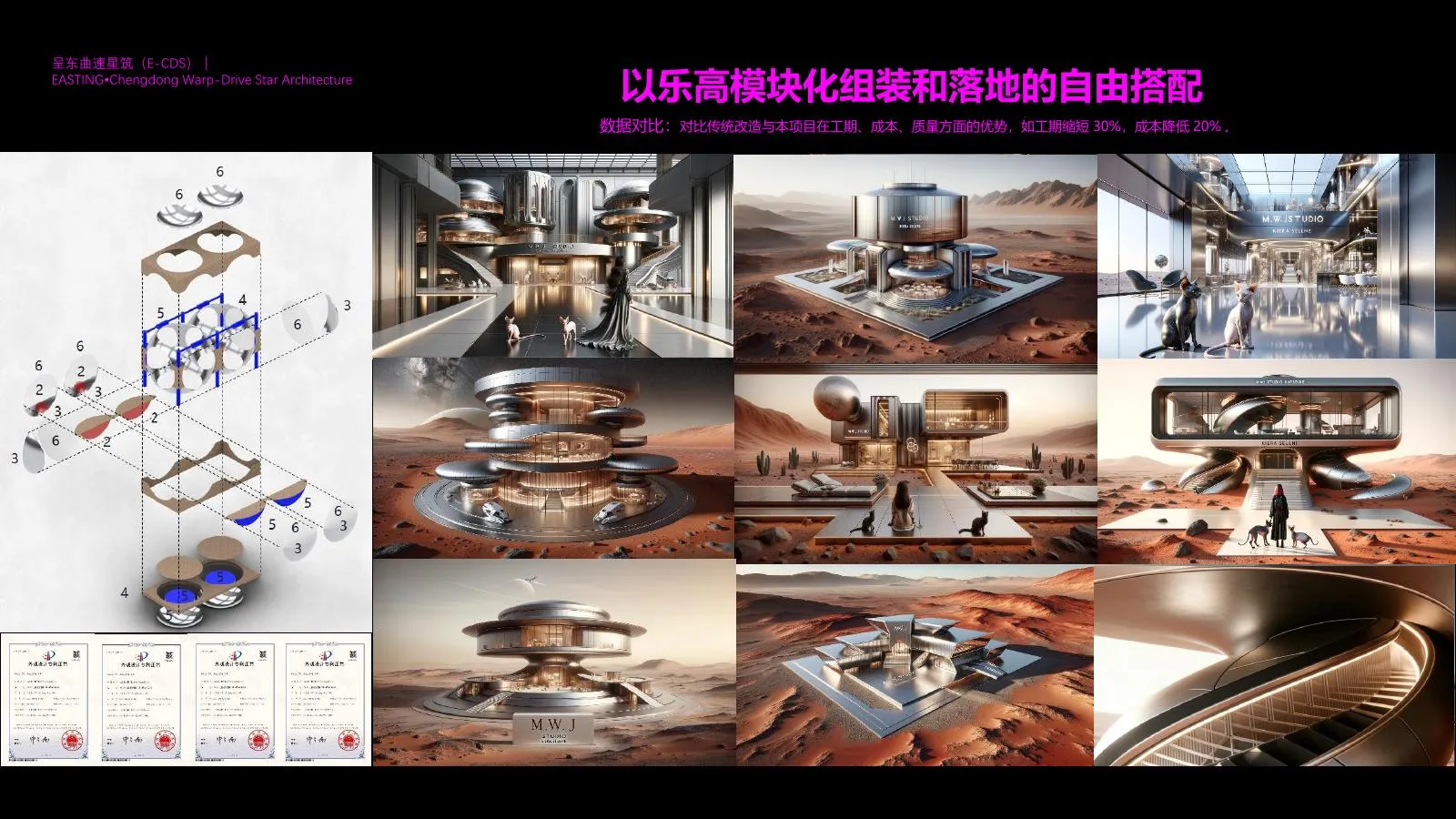
Stardust Series
Earth flagship · modular metal capsule
An off-grid, mobile, prefabricated low-carbon spatial solution based on recycled composite materials — a green, multifunctional habitat support system for extreme environments.
Municipal & water works · desert outposts · emergency housing
- ▹Recycled feedstock cuts cost by 30%
- ▹Integrated off-grid energy, fully self-sufficient
- ▹Rapid assembly boosts build efficiency by 80%
Star-Core Series
Interstellar validation · lunar-base module
Lunar-base simulation modules combining in-situ regolith materials with prefabricated 3D printing, extending Earth-based waste technology via AI-driven formulation to materials suited to lunar soil.
Lunar-base simulation · in-situ resource utilisation (ISRU)
- ▹Joint simulation testbed with research institutes
- ▹Key-technology validation and prototyping
- ▹Commercialisation path for off-world ISRU
Selected Works
Tap any work to open the high-resolution reader in a new tab
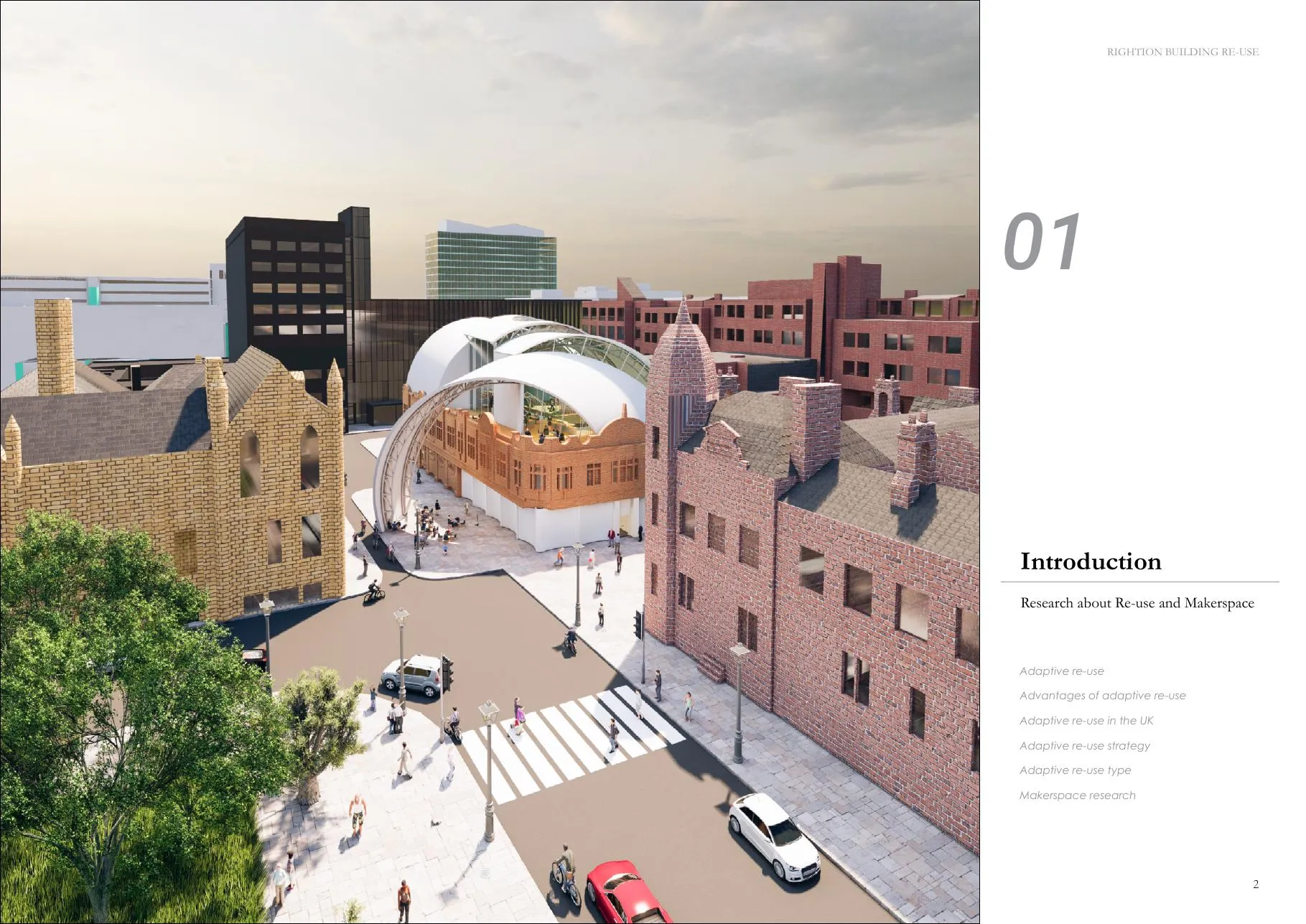
Righton Building Re-use
Manchester School of Architecture · Adaptive Re-use · 2020
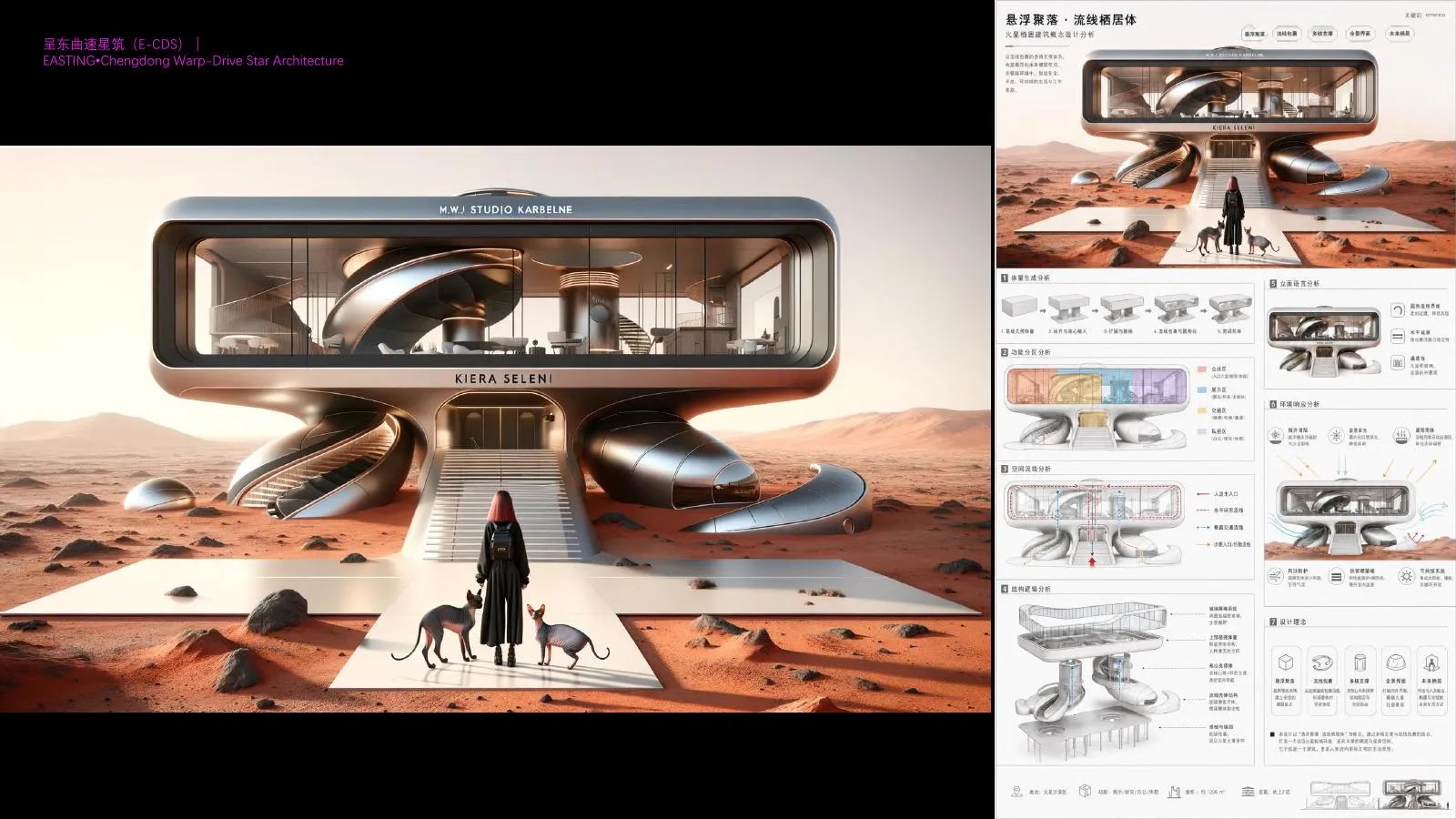
Suspended Settlement · Streamline Habitat
Mars habitat concept · AI generative design
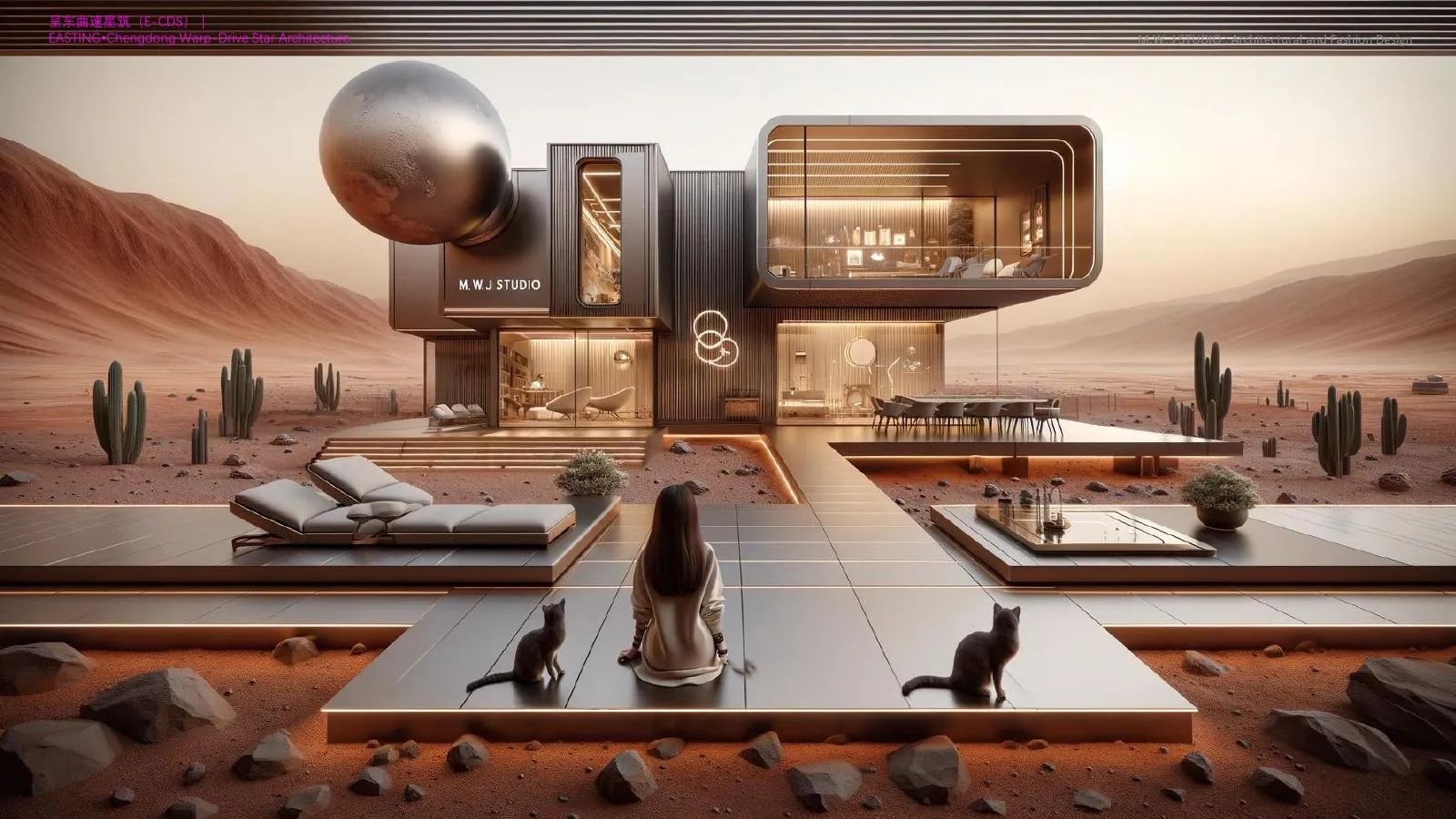
Star-Core · Mars Living Unit
Off-grid prefab · modular metal capsule
Stardust · LEGO-style Modular Assembly
3D printing + modular assembly · -30% schedule
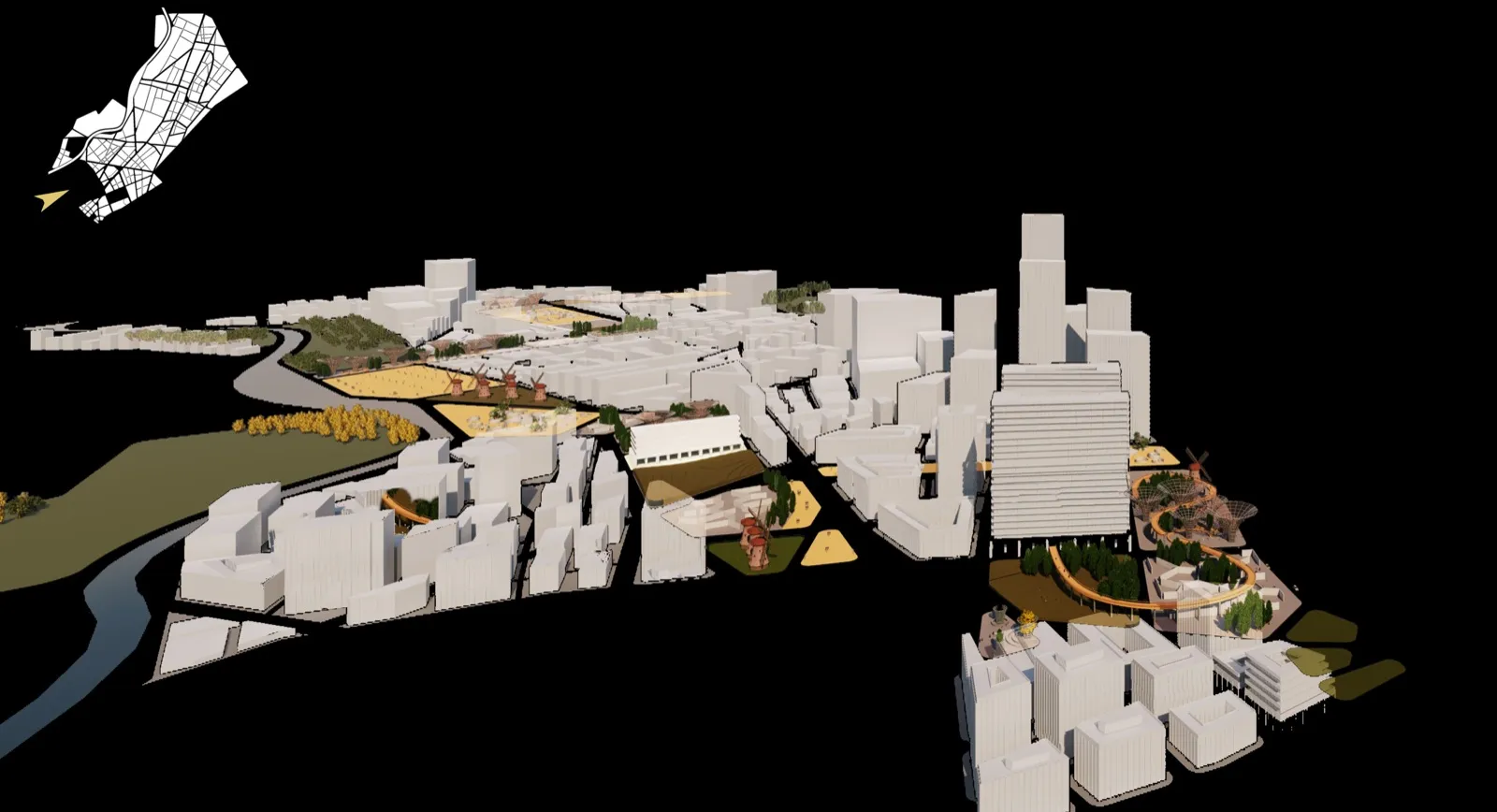
Future City · Public Space Network
Manchester School of Architecture · AI Urban Design · 2021
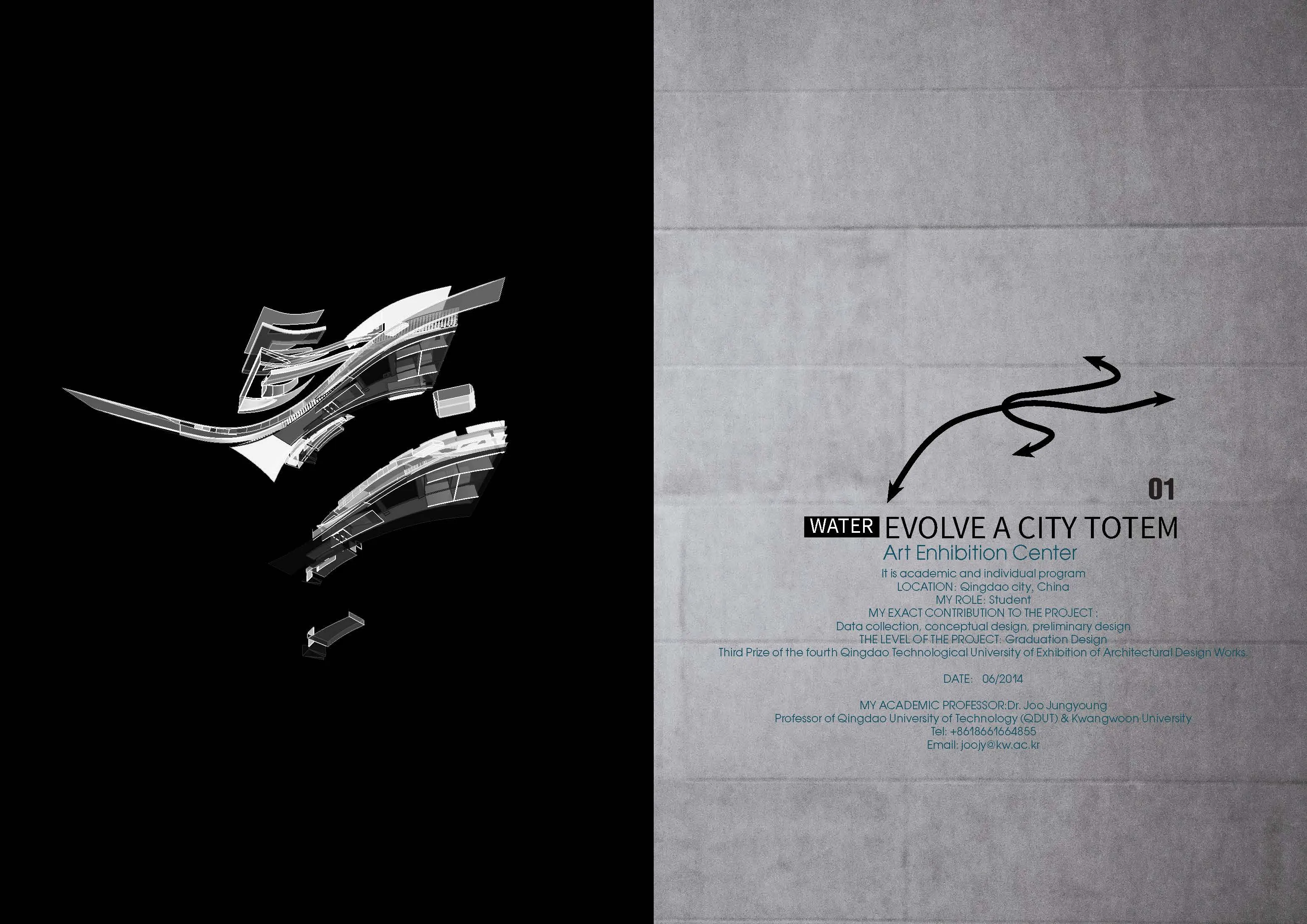
Evolve a City Totem · Art Exhibition Center
Qingdao University of Technology · Graduation Design · 2014
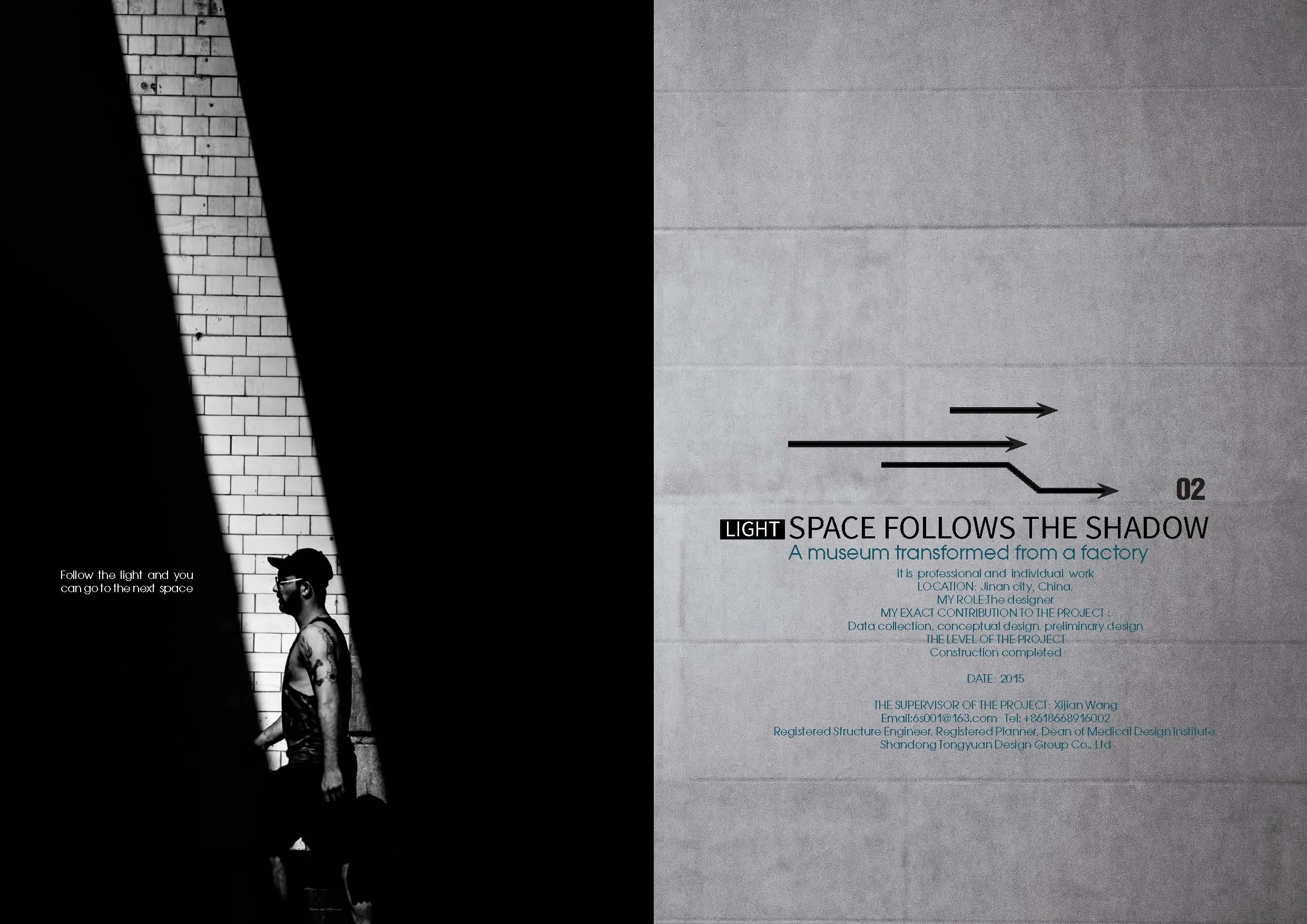
Space Follows the Shadow · Factory-to-Museum
Jinan, China · Factory-to-Museum, Built · 2015
Narrate a Movie · Three-dimensional Design
Qingdao University of Technology · Studio, First Prize · 2010
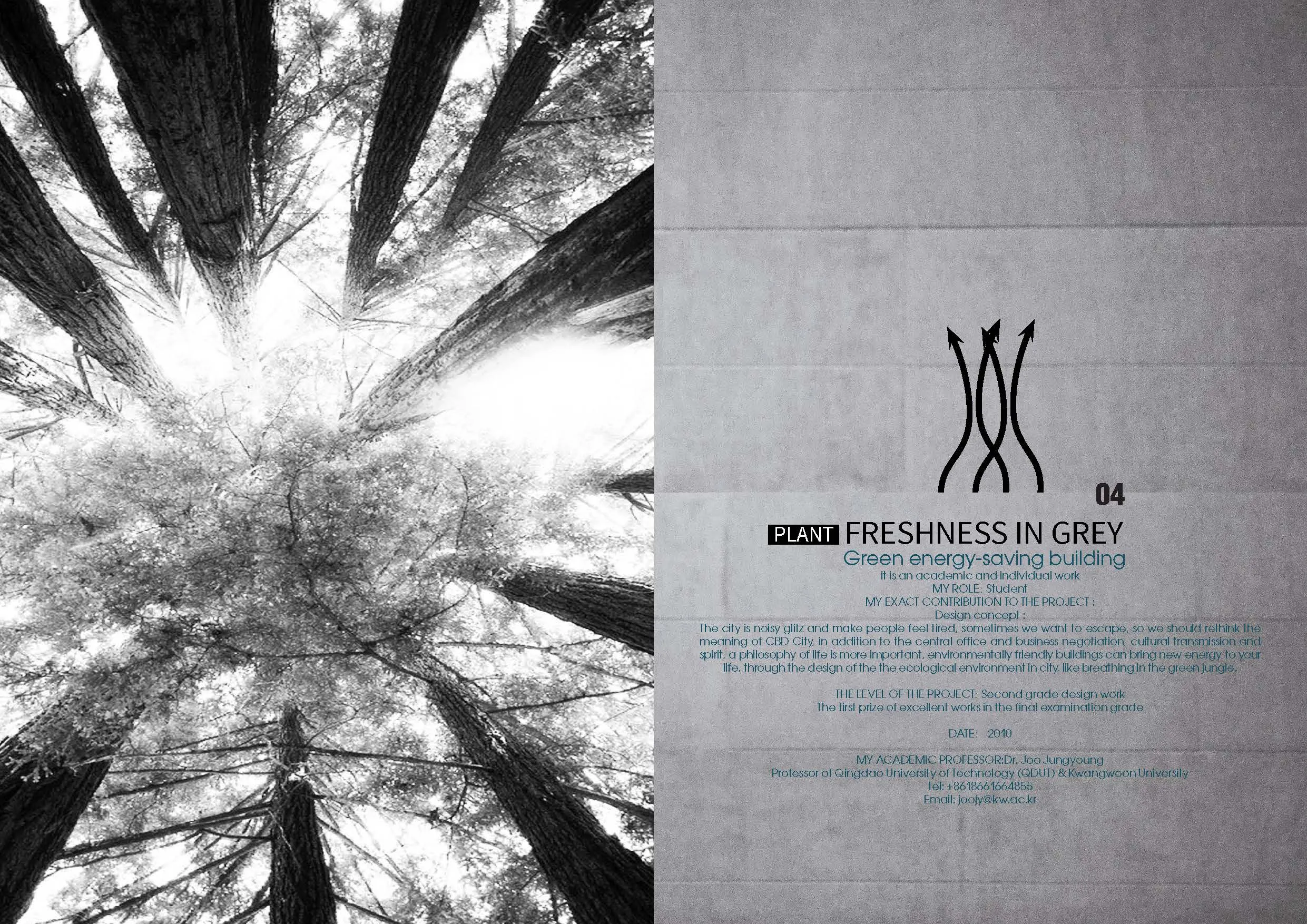
Freshness in Grey · Green Energy-saving Building
Qingdao University of Technology · Studio, First Prize · 2010
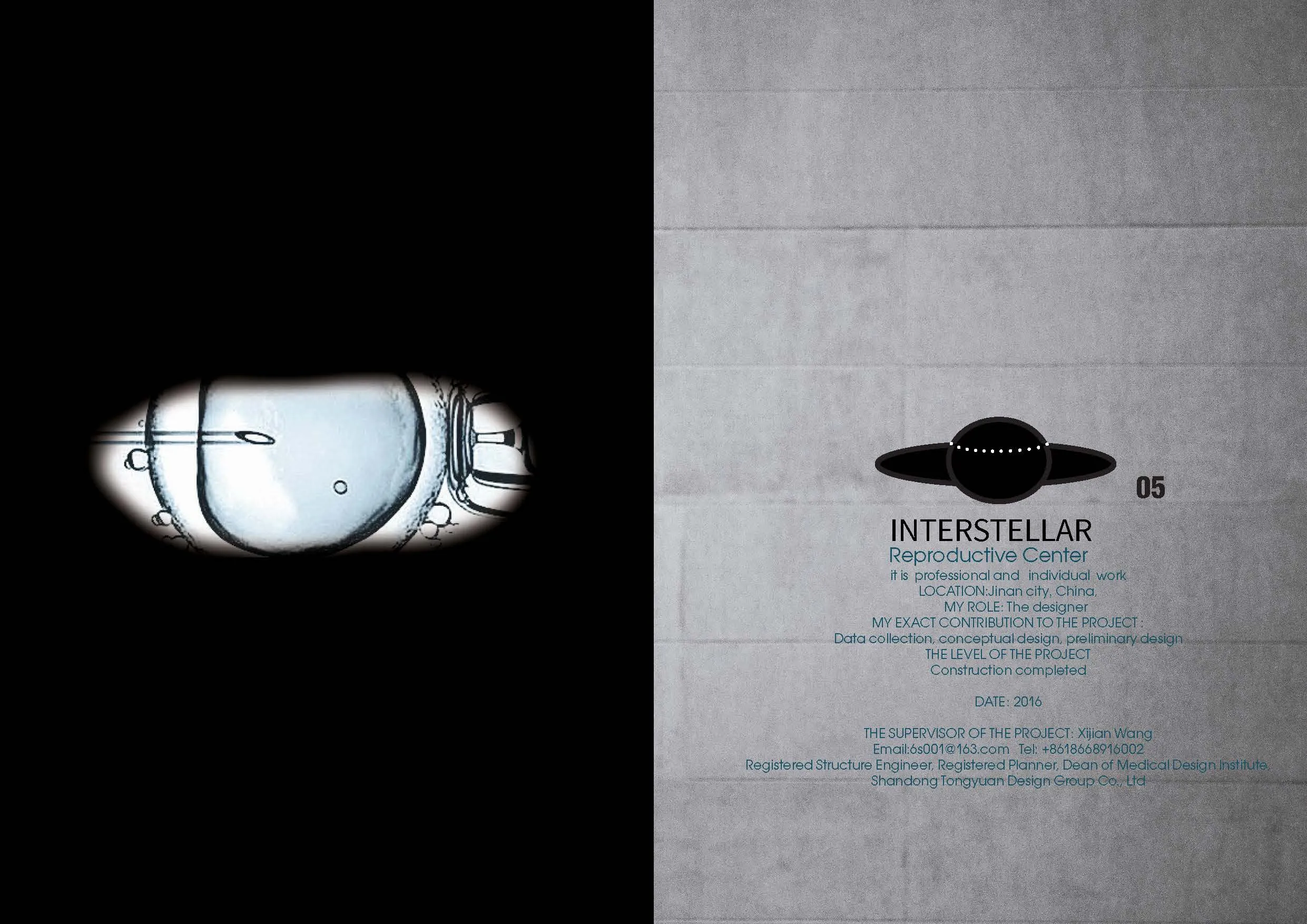
Interstellar · Reproductive Center
Jinan, China · Healthcare, Built · 2016
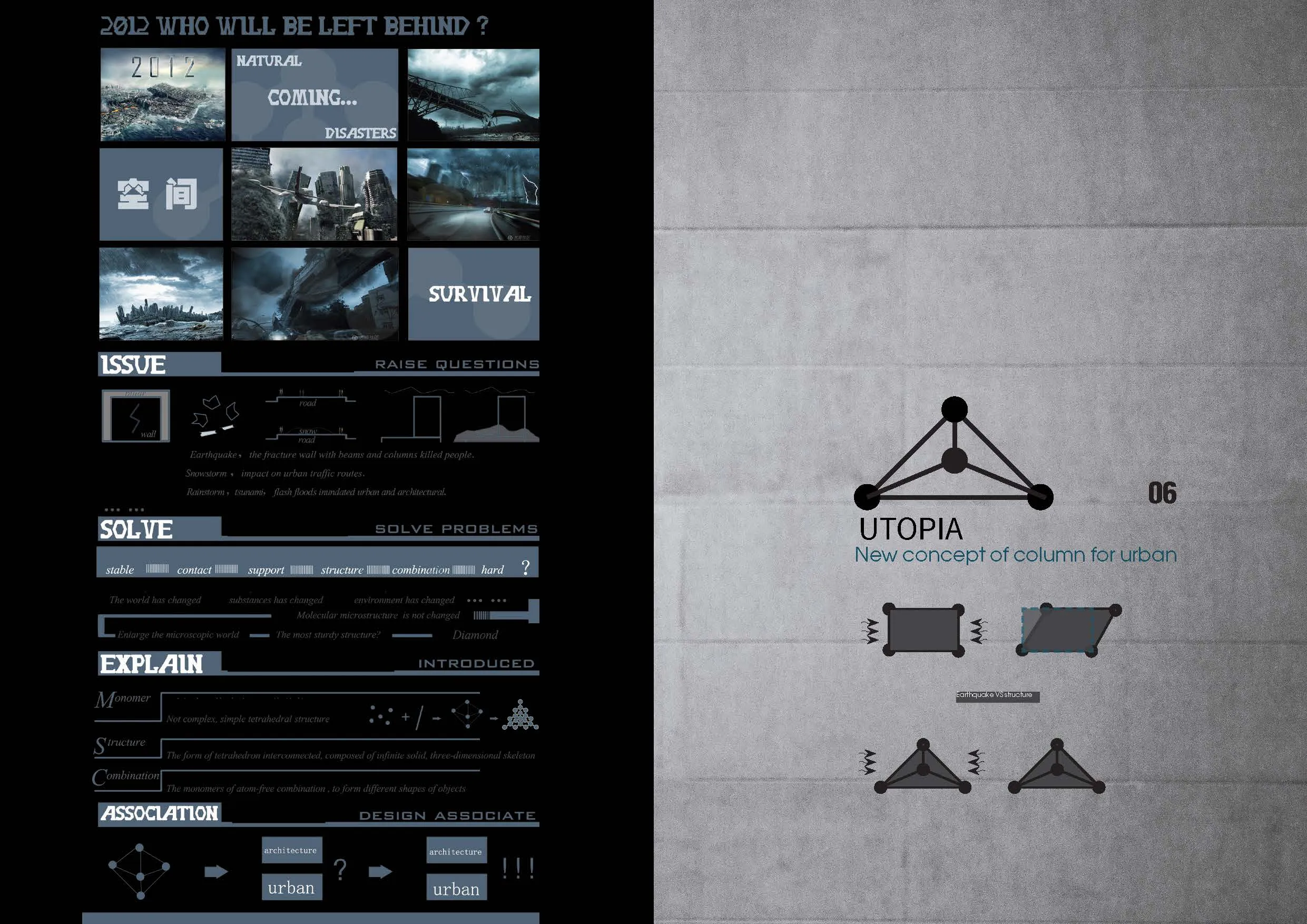
Utopia · A New Concept of Column for the City
Concept · Structure × City · Student Work
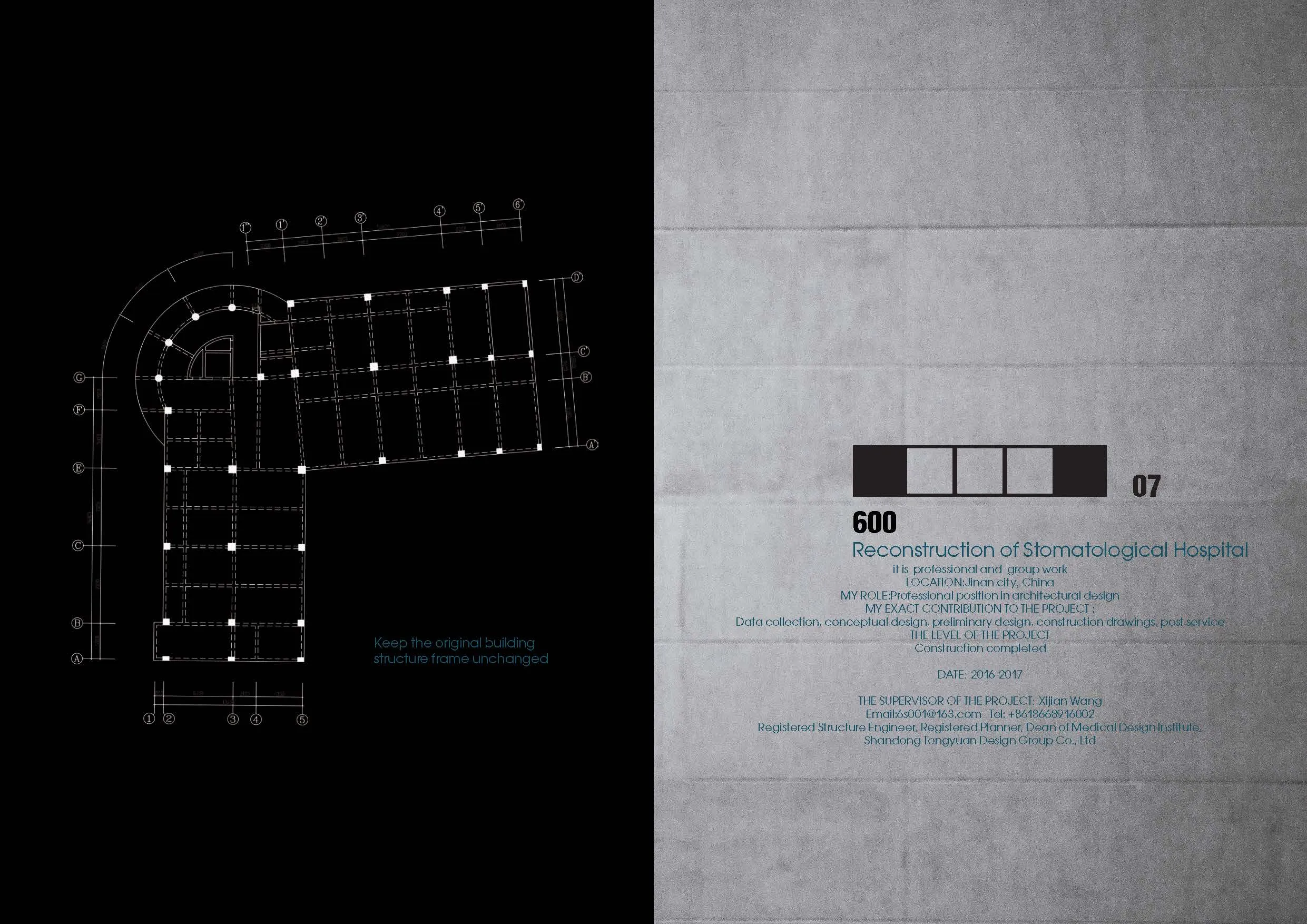
600 · Reconstruction of Stomatological Hospital
Jinan, China · Hospital Renovation, Built · 2016–2017
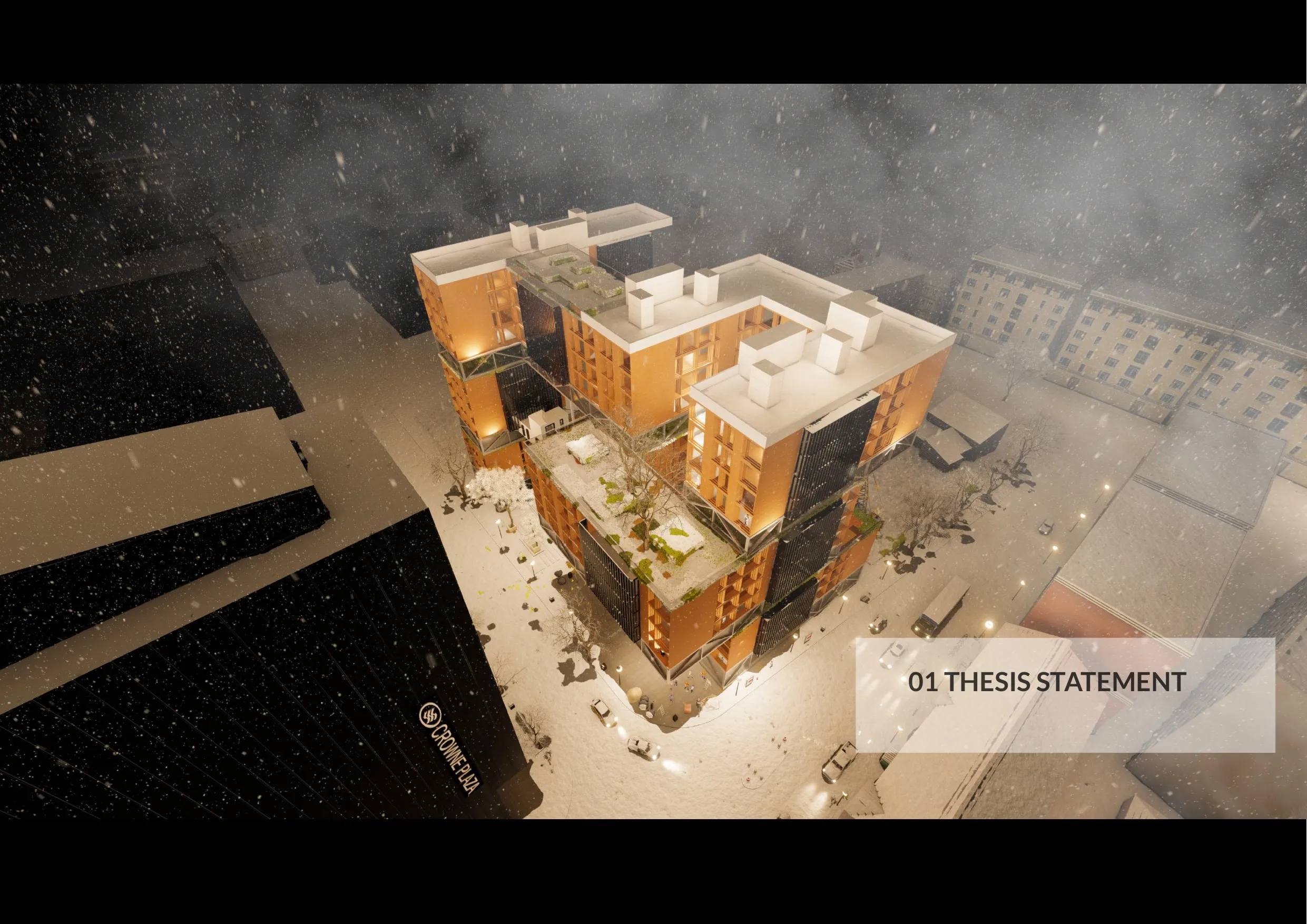
Manchester Living · Modular Co-living
Manchester School of Architecture · CPU[AI] Thesis · 2021
Cross-disciplinary talent, a solid foundation
Kiera Selene · Wenjing Ma
CEO / FounderM.Arch, University of Manchester | CPU.ai urban computing studio (UoM); RIBA Chartered Architect.
Alexandra Carter
Co-founder / PostdocLunar & planetary science at Manchester under Prof. Katherine Joy; specialises in regolith simulant R&D and lunar in-situ resource utilisation (ISRU).
Zhicheng Liu
Co-founder / PostdocPhD, University College London (UCL); civil-engineering materials, composites, carbon-neutrality and resource reuse; 32 papers, 39 patents in China & Germany.
Keyan Lu
Co-founder / Council memberHead of product delivery, prefab structure and engineering. Standing council member, Interior Design Branch of ASC; 20 years in mortise-tenon and prefab assembly; winner of the GIA Global Home Innovation Award, Chicago.
Xiaofeng Lin
Co-founder / Legal · Risk · CapitalDirector at SJTU School of Law; leads legal, risk and capital; ensures compliance.
Xinghan Li
Co-founder / ESG & Intelligent Construction ExpertMSc, School of Materials, University of Manchester; Chartered Arbitrator; Senior Registered Accountant, Institute of Financial Accountants (IFA), UK; author of Data Risk Control: Principles and Applications and AI Audit: Principles and Applications.
Manchester × Rice global brain trust
Prof. Ulysses Sengupta
Professor of Architecture & Urbanism, Manchester School of Architecture; RIBA chartered architect; founding director of the CPU.ai lab; machine learning, generative design, data-driven architecture.
Prof. Katherine Joy
Professor of Planetary Science, University of Manchester; leader in aerospace and off-world exploration; regolith and lunar weathering research; visiting professor at the AA.
Prof. Stephen Hodder
Senior professor, Manchester School of Architecture; RIBA chartered architect and former RIBA President; Hon. FAIA; parametric design and digital fabrication.
Prof. David Alexander
Rice Space Institute (RSI); 60+ years of NASA collaboration; spacecraft design, rocket propulsion and extreme-environment materials.